Home›School visits›Guide for teachers
A guide to educational farm visits for schools in Hyderabad
What children learn on a farm, activities by age, what to check before you book, and a simple planning timeline.
Most children in Hyderabad know that rice comes from a packet and milk comes from a carton. Very few have stood in a paddy field, felt the weight of a bucket of water or watched a calf drink. A well-planned farm visit closes that gap in a single day, and it is one of the easiest ways for a school to bring the experiential learning encouraged by the National Education Policy (NEP) 2020 into the timetable.
This guide is for teachers, coordinators and principals who are planning a farm field trip. It covers what children can learn, how to choose activities for each age group, what to check before you book, and how to make the day count back in the classroom.
Why take students to a farm?
A farm is a living classroom where several subjects meet in one place.
- Environmental Studies (EVS): where food comes from, the life cycle of plants, how animals are cared for, and how people depend on soil and water.
- Science: soil types, germination, composting, decomposition, the water cycle and simple experiments children can repeat at school.
- Social Studies: traditional farming tools, village life, seasons and festivals linked to harvest, such as Sankranti.
- Maths: measuring plots, counting seeds, estimating yields and recording observations in tables.
- Art: leaf printing, mud painting and clay work using natural materials.
Children also learn things that do not appear on a syllabus: patience with animals, respect for the people who grow food, and the confidence that comes from doing a real job with their own hands. Teachers often notice that quieter children come forward on a farm, because the tasks are practical rather than verbal.
What children can do on a farm visit
A good farm visit is hands-on from start to finish. Look for a farm where children do the activities themselves, in small groups, rather than watching a demonstration. Typical activities include:
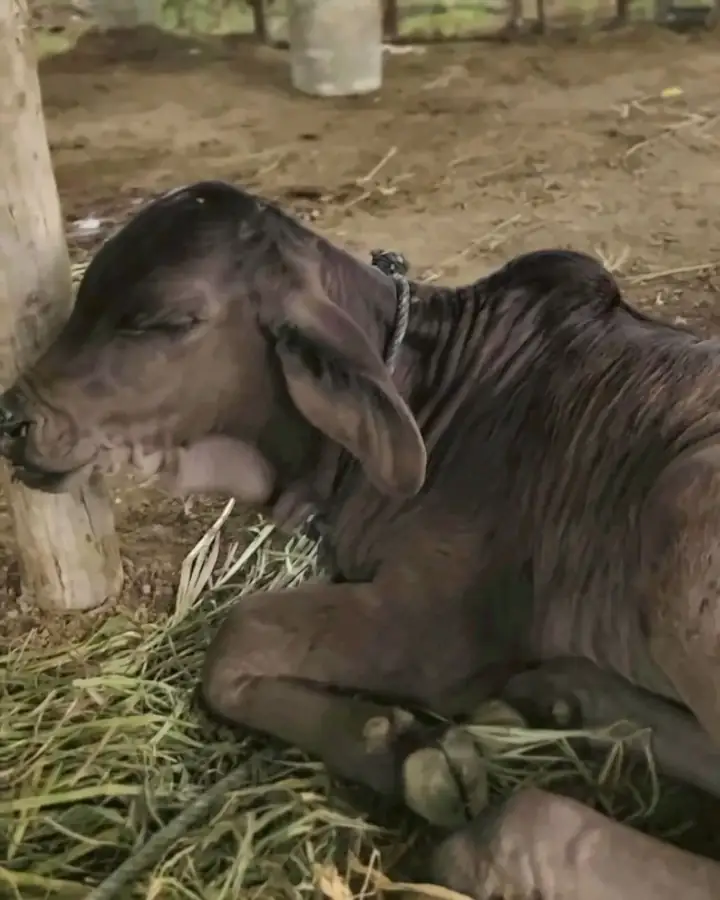
- Feeding cows, calves, hens and ducks, and observing how the animals are cared for
- Collecting eggs and watching hand milking, depending on the animals' routine that day
- Sowing seeds, watering beds and planting a sapling
- Testing soil with a simple soil-in-a-jar experiment and learning how compost is made
- Walking through paddy fields and following water from the irrigation channel to the crop
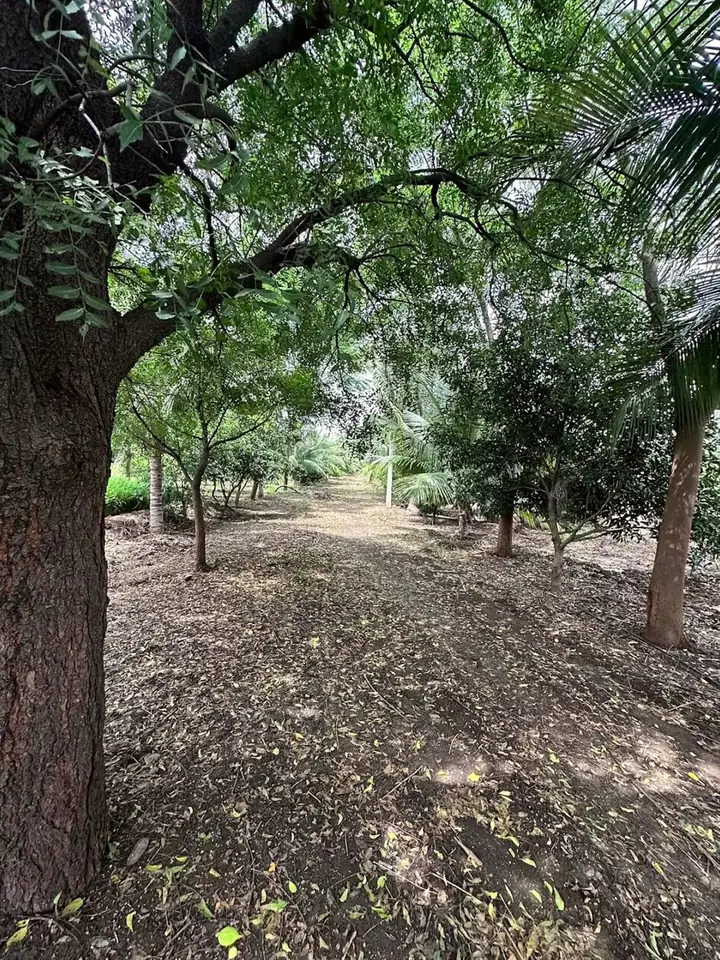
- A nature trail with leaf hunting, bird spotting and leaf printing
- Trying traditional farming tools, clay pots and baskets
Seasonal work such as paddy transplanting, harvesting and fruit plucking adds a lot to the day, so ask the farm what will be happening on your chosen date.
Matching activities to age groups
The same farm can work for every class if the activities are pitched at the right level.
Pre-primary to Class 2: keep it sensory and simple. Feeding animals, collecting eggs, a short nature walk and mud or leaf painting work well. Short activities and frequent movement keep young children engaged.
Classes 3 to 5: add responsibility and a little science. Planting and naming a sapling, comparing soil types, making compost and learning how paddy is grown suit this age, along with pottery or traditional tools.
Class 6 and above: treat the visit as fieldwork. Soil experiments, irrigation and water studies, a biodiversity survey and a field journal give older students real data to bring back to the classroom.
At SPR Farm in Shankarpally, school programmes follow this pattern: Little Sprouts for pre-primary to Class 2, Young Farmers for Classes 3 to 5, and Farm Scientists for Class 6 and above. You can see the full programme on our school visits page.
Half-day or full-day?
A half-day visit is enough for younger classes and covers the animal zones, a soil or planting activity and a short wrap-up. A full day suits older classes and allows time for planting, a nature trail and a craft session, with a break in the shade in between. Visits that run between mid-morning and mid-afternoon avoid the early-morning rush and give buses time to arrive comfortably.
What to check before you book
School management will rightly ask about safety and logistics. These are the questions worth asking any farm before you confirm:
- Group management: will children be split into small rotating groups, with a farm guide at each activity? We recommend at least one teacher for every 10 to 12 children.
- Animal handling: are the animals calm and handled by experienced staff at all times?
- Facilities: are there clean toilets, handwashing points, safe drinking water and shaded areas for breaks?
- Access: can school buses drive into the farm, or will children need to walk from the road?
- First aid and security: is there a first-aid kit on site, how close are the nearest hospitals, and is the farm monitored?
- Food: what will the children be served, and can meals be arranged if needed? Check for allergies in advance.
- Weather: what happens if it rains? Are there covered sheds?
- Programme: will the farm adapt the activities to your curriculum and timetable?
At SPR Farm, children work in small rotating groups with a farm guide at every zone, animals are handled by experienced farm staff, CCTV cameras cover most areas of the farm, a first-aid kit is kept on site and hospitals are within 2 to 3 km. School buses drive right into the farm, and every child gets tender coconut water, seasonal farm fruits and local candies made from farm produce.
A simple planning timeline
- Four to six weeks before: choose the farm, agree the date and programme, and request a quotation.
- Three to four weeks before: get management approval and send parent consent forms.
- Two weeks before: confirm numbers, the list of accompanying teachers, transport and any dietary needs.
- One week before: brief students on what to wear and how to behave around animals; share the emergency contact list with the farm.
- On the day: carry the student list with emergency contacts, a basic first-aid kit and drinking water for the journey.
What students should bring
- Comfortable clothes that can get muddy, closed shoes and a cap
- A water bottle
- Sunscreen in the warmer months
- A notebook or field journal for older classes
- A spare set of clothes for younger children
Making the learning last
The visit is only half the lesson. Back at school, ask students to write or draw about one animal they cared for, plant the seed ball they brought home, compare their soil observations with a sample from the school garden, or present a short report on how paddy is grown. Classes that plant a tree on the farm can follow its growth through the year, which gives them a reason to remember the day.
Plan your school's farm visit
SPR Farm is a family-run, 20-acre working farm on Rice Mill Road, Shankarpally, on the western side of Hyderabad. We host curriculum-linked school visits for pre-primary to senior classes, any time between 10 AM and 4 PM, by appointment.
Every child receives a Little Farmer Passport, a certificate and a seed ball to take home, and each class plants a sapling that stays on the farm, tagged with the class name.
To plan a visit, see our school visits page, download the school brochure, or call or WhatsApp +91 88863 33308 with your class, preferred date and programme, and we will send a customised quotation.
See our school visit programmes Download the school brochure (PDF)
Tell us what you're planning
Share the occasion, group size and preferred dates. We'll come back with a plan and a customised quote.